

Bio Soluble Fiber
What is Bio Soluble Fiber
Bio Soluble Fiber refers to a type of fiber that is derived from high-temperature, spun ceramic materials, and can be biodegraded within the body. Bio Soluble Fiber is not harmful to the environment, as it does not contain any harmful substances that can cause pollution. Bio Soluble Fibers are used in a variety of applications, including insulation, filtration, and flame retardant products. They offer excellent thermal resistance and exceptional chemical stability, making them an ideal material for thermal insulation in high-temperature environments. Bio Soluble Fiber has become a popular alternative to traditional fiberglass insulation due to its non-toxic, environmentally friendly, and highly efficient properties.
Benefits of Bio Soluble Fiber
Non-toxic
Bio-soluble fibers are made of natural materials and are not harmful to humans or animals.
High Temperature Stability
Bio-soluble fibers can withstand high temperatures without breaking down or losing their properties.
Low Thermal Conductivity
Bio-soluble fibers have low thermal conductivity, which means that heat is less likely to pass through them, making them safe to handle.
Good Insulation
Bio-soluble fibers are excellent heat insulators, which is why they are commonly used in applications where insulation is crucial.
Lightweight
Bio-soluble fibers are lightweight, which makes them easy to transport and use.
High Durability
Bio-soluble fibers have high durability and can last for a long time without breaking or degrading.
Environmentally Friendly
Bio-soluble fibers are made from renewable resources and are biodegradable, making them environmentally friendly.
Versatile
Bio-soluble fibers can be used in a wide range of applications, from insulation to filtration and even in medical implants.
-
![Bio Soluble Ceramic Fiber Wool]() Bio Soluble Ceramic Fiber WoolLucheng® bio-soluble cermaic fiber wool is based on calcium, magnesium, and silicate chemical compositions and can withstand continuous working temperatures up to 1100 ° C (2012 ° F). The design...read more
Bio Soluble Ceramic Fiber WoolLucheng® bio-soluble cermaic fiber wool is based on calcium, magnesium, and silicate chemical compositions and can withstand continuous working temperatures up to 1100 ° C (2012 ° F). The design...read more -
![1260 Rated Soluble Fiber Paper]() 1260 Rated Soluble Fiber PaperUsing high purity and selected ceramic fiber as raw material, we produce good quality ceramic fiber paper by wet molding process. On the basis of traditional technology, we improve the shot...read more
1260 Rated Soluble Fiber PaperUsing high purity and selected ceramic fiber as raw material, we produce good quality ceramic fiber paper by wet molding process. On the basis of traditional technology, we improve the shot...read more -
![Soluble Fiber Bulk]() Soluble Fiber BulkSoluble fiber is a new type of environmentally friendly material mainly composed of CaO and MgO, produced through the latest production process.read more
Soluble Fiber BulkSoluble fiber is a new type of environmentally friendly material mainly composed of CaO and MgO, produced through the latest production process.read more -
![Soluble Fiber Blanket]() Soluble Fiber BlanketAlkaline Earth Silicate (AES) Fiber Blanket is also called Bio-Soluble Fiber or Low-bio persistent fibre blanket, because it contains alkaline earth metals such as calcium and magnesium and silica...read more
Soluble Fiber BlanketAlkaline Earth Silicate (AES) Fiber Blanket is also called Bio-Soluble Fiber or Low-bio persistent fibre blanket, because it contains alkaline earth metals such as calcium and magnesium and silica...read more -
![AES Insulation Blanket]() AES Insulation BlanketAES Insulation Blanket is made from Alkaline Earth Silicate fiber, which is developed from a calcium, magnesium, silicate chemistry to provide thermal insulation. Due to it can be soluble in...read more
AES Insulation BlanketAES Insulation Blanket is made from Alkaline Earth Silicate fiber, which is developed from a calcium, magnesium, silicate chemistry to provide thermal insulation. Due to it can be soluble in...read more -
![Alkaline Earth Silicate Fiber Bulk]() Alkaline Earth Silicate Fiber BulkAlkaline Earth Silicate (AES) Fiber is also called Bio-Soluble Fiber or Low-bio persistent fibre , because it contains alkaline earth metals such as calcium and magnesium and silica as main...read more
Alkaline Earth Silicate Fiber BulkAlkaline Earth Silicate (AES) Fiber is also called Bio-Soluble Fiber or Low-bio persistent fibre , because it contains alkaline earth metals such as calcium and magnesium and silica as main...read more -
![Alkaline Earth Silicate Fiber Blanket]() Alkaline Earth Silicate Fiber BlanketAlkaline Earth Silicate Fiber Blanket is an innovative product that solves various high-temperature application problems. It is produced using bio-soluble fiber cotton and advanced mechanical...read more
Alkaline Earth Silicate Fiber BlanketAlkaline Earth Silicate Fiber Blanket is an innovative product that solves various high-temperature application problems. It is produced using bio-soluble fiber cotton and advanced mechanical...read more -
![Soluble Fiber Textile]() Soluble Fiber TextileBio-soluble ceramic fiber (AES) is an artificial, glassy alkaline earth silicate high fiber. Bio-soluble fibers do not belong to any carcinogenic classification according to the EU regulation...read more
Soluble Fiber TextileBio-soluble ceramic fiber (AES) is an artificial, glassy alkaline earth silicate high fiber. Bio-soluble fibers do not belong to any carcinogenic classification according to the EU regulation...read more -
![Soluble Fiber Rope]() Soluble Fiber RopeBio soluble AES fiber twisted rope(Low-bio persistent fibre twisted rope) is produced by high quality Bio soluble AES fiber and woven from yarn. The cloth is reinforced with fiberglass filament,...read more
Soluble Fiber RopeBio soluble AES fiber twisted rope(Low-bio persistent fibre twisted rope) is produced by high quality Bio soluble AES fiber and woven from yarn. The cloth is reinforced with fiberglass filament,...read more -
![Soluble Fiber Tape]() Soluble Fiber TapeSoluble Fiber Tape is a woven fabric made from high quality fiber woven yarn. It is featured with heat insulation and high temperature protective materials in all kind of thermal installations...read more
Soluble Fiber TapeSoluble Fiber Tape is a woven fabric made from high quality fiber woven yarn. It is featured with heat insulation and high temperature protective materials in all kind of thermal installations...read more -
![Soluble Fiber Paper]() Soluble Fiber PaperBio-soluble ceramic fiber paper is a green and environmentally friendly product with biodegradability, without any stimulation or harm to the human body and environment. It adopts a new process...read more
Soluble Fiber PaperBio-soluble ceramic fiber paper is a green and environmentally friendly product with biodegradability, without any stimulation or harm to the human body and environment. It adopts a new process...read more


Why Choose Us
Customer Service
We earn your respect by delivering on time and on budget. We built our reputation on exceptional customer service. Discover the difference it makes.
World-Wide Expertise
We know international markets and trends. Our expertise, experience and network cover all corners of the world.
Quality Assurance
We have a rigorous quality assurance process in place to ensure that all our services meet the highest standards of quality. Our team of quality analysts checks each project thoroughly before it is delivered to the client.
One-stop Service
We promise to provide you with the fastest reply, the best price, the best quality, and the most complete after-sales service.
General Characteristics of Biosoluble Fibre
Health and Safety
Low biopersistance
Excluded from all carcinogenic classifications
Stored as a non-hazardous product
Thermal Properties
Can be used up to 1,200 °C
Very good resistance to high temperatures
Low thermal capacity
Low thermal conductivity
Resistance to thermal cycles
Mechanical Properties
Good mechanical resistance
Very low linear shrinkage (< 2 % up to 1,200 °C)
High flexibility
Chemical Properties
Very good resistance to various chemicals (except phosphoric and hydrofluoric acids and concentrated bases and solvents)
No usage restrictions
Product Range of Biosoluble Fibre

Tapes
Biosoluble fibre strips are available in 2, 3 and 5 mm thicknesses with widths of 10 to 200 mm. Adhesive strips and strips with bolt holes are also available.
Packings
Produced with an E fibreglass sleeves, the packing has excellent flexibility while maintaining good mechanical strength. The core consists of 100 % biosoluble fibres. Sleeves are available in diameters from 12 to 80 mm and can reach a peak temperature of 600 °C.
Twisted Ropes
Biosoluble fibre twisted ropes are reinforced, either with E-glass fibre or with refractory steel:
Glass fibre reinforcement is more cost-effective, and provides the benefit of not being electrically conductive.
Refractory steel reinforcement increases the strength of the high-temperature braided cord, and improves its physical properties, whilst preserving its initial flexibility. These twisted ropes are available in diameters ranging from 5 to 60 mm.
Braided Ropes
Alike twisted ropes, biosoluble fibre braided ropes can be reinforced with refractory steel or fiberglass and benefit from the same advantages. The biosoluble braided ropes are available in diameters ranging from 5 to 60 mm, in square, rectangular or round sections.
Bulk Fibre
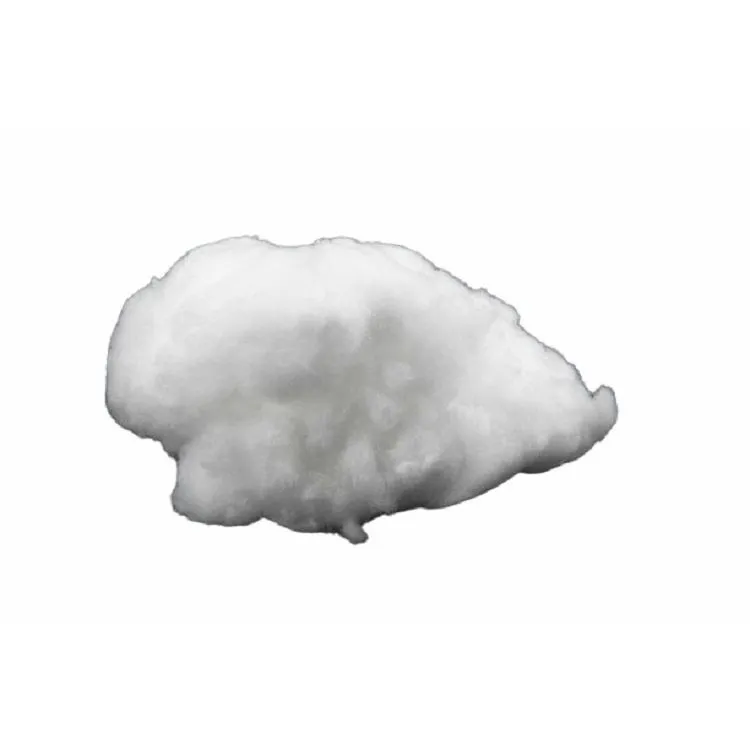
The product consists of a mass of randomly orientated, long, fluffy, resistant fibres. It has excellent thermal stability and retains its flexible fibrous structure up to a temperature of 1,000 °C. It contains no binders and emits no smoke or odor when first heated. The fibres are insensitive to thermal shock and absorb very little energy when heated. Biosoluble bulk fibre is available lubricated for use when filling or as expansion joints. The non-lubricated version is particularly useful for vacuum forming. The fibres are available in short, medium, long and extra-long sizes. The level of thermal conductivity depends on the degree of compression during installation.
Sleeves
Our sleeves are available in diameters of 15 to 60 mm. They are sold in 25 m rolls.
Felts
Biosoluble fibre felts are obtained from long fibres of alkaline earth silicate. Their high-temperature insulation performance is remarkable. With high thermal stability, they retain a flexible fibrous structure up to a temperature of 1,200 ° C. Felts contain no binders or lubricants and emit no smoke or odor when heated. Biosoluble fibre felts are flexible and easy to cut or install. They are available laminated with an aluminium film to improve the thermal properties of the sheets.
Papers
Made from alkaline earth silicate wool, biosoluble paper has an extremely uniform structure. Resistant to continuous operating temperatures up to 1,260 °C, this product has low thermal conductivity and high temperature stability as well as being light, smooth, flexible and easy to handle. These exceptional properties come from the careful selection of specific organic binders combined with advanced manufacturing processes. Our papers are available in thicknesses from 1 to 6 mm and a width of 610 mm. Sold in whole rolls, we also offer customized cuts. Other dimensions are available on request.
Fabrics
Biosoluble fibre fabrics are available in 2 and 3 mm thicknesses. During production, they are heat-treated to limit flying fibres and dust.

Bio soluble fibre products – fast track selection
In the download section you will find the specific material datasheets (MDS) of our products. Other materials are available on request. We are pleased to respond your message!
Group 1: Blanket – Bio soluble fibre blankets
Group 2: Block – Bio soluble fibre modules
Group 3: Board & Special shaped – Bio soluble fibre boards and vacuum formed shapes
Group 4: Pack – Bio soluble fibre stripes
Group 1: Bio soluble fibre blankets
|
BLANKET - flexible blanket - |
CT °C |
RD k/m³ |
TC (W/mK) 800°C |
TC (W/mK) 1000°C |
chemistry (%) Al2O3 |
chemistry (%) SiO2 |
chemistry (%) CaO+MgO |
|
BLANKET 120plus |
1200 |
128 |
0,18 |
0,25 |
- |
65 |
34 |
|
CT = classification temperature | RD = raw density | TC = thermal conductivity |
|||||||
The blankets are completely inorganic products and do not develop any harmful vapor during initial heating-up. In case of wetting the fibers either with oil, water or steam, the thermal properties remain as originally after drying.
Group 2: Bio soluble fibre modules
|
BLOCK - modules - |
CT °C |
RD k/m³ |
TC (W/mK) 800°C |
TC (W/mK) 1000°C |
chemistry (%) Al2O3 |
chemistry (%) SiO2 |
chemistry (%) CaO+MgO |
|
BLOCK 120 |
1200 |
170 |
0,22 |
0,36 |
-,-- |
62-68 |
29-39 |
|
CT = classification temperature | RD = raw density | TC = thermal conductivity |
|||||||
The modules are available in densities up to 190 kg/m3 and dimensions up to 600mm in length. The modules are made individually in terms of dimensions and anchoring system. In addition to standard module sizes our manufacturing is also prepared for wedge modules, bio soluble fibre modules with center anchoring and also with notches. Of course, corrosion and heat resistant anchor material will always be used.
Group 3: Bio soluble fibre boards & vacuum formed products
|
BOARD - vacuumformed products - |
CT °C |
RD k/m³ |
TC (W/mK) 800°C |
TC (W/mK) 1000°C |
chemistry (%) Al2O3 |
chemistry (%) SiO2 |
chemistry (%) CaO+MgO |
|
BOARD 110-30 |
1260 |
300 |
0,13 |
0,20 |
0.46 |
65 |
34 |
|
CT = classification temperature | RD = raw density | TC = thermal conductivity |
|||||||
Because of the vacuum shaping technology various shapes can be produced. Along with different types of bio soluble fibres and different additive products the vacuum shaped fibres can be manufactured with a bulk density of 250 – 400 kg/m³ and classification temperatures from 800 to 1300°C. In addition, the surface of the bio soluble fiber vacuum shapes and boards can be provided with hardeners and coatings as required sometimes for special applications.
Group 4: Bio soluble fibre stripes
|
PACK |
CT |
RD |
TC |
TC |
chemistry (%) |
chemistry (%) |
chemistry (%) |
|
PACK 1260 |
1200 |
160 |
0,22 |
0,36 |
-,-- |
62-68 |
29-39 |
These stripes usually with a common density of 130 kg/m³ are placed perpendicular to the hot flue gas direction and compacted during installation to bulk densities of 150-160 kg/m³. The surface of the vertically laid ceramic fiber packing stripes can additionally be coated with a special coating. This will increase the chemically resistance of the surface and the abrasion resistance required for hot flue gas velocities up to 30 m/s.
Types of Soluble Fiber
There are four types of soluble fiber you might hear about.
Pectins, such as in some fruits, some vegetables, and legumes
Beta-glucan, in some grains such as oats and in the konjac plant, the tuber from which shirataki noodles are made
Naturally-occurring gums found in some seaweed (carrageenan) and some seeds (guar, acacia, locust bean)
Inulin, such as in chicory, Jerusalem artichokes, and onions. Inulin is also becoming popular as a food additive, for example, in some protein bars.
Health Benefits of Soluble Fiber


Digestive Benefits: Soluble fiber, particularly the viscous type that forms a gel, helps to slow and regulate the passage of food through the digestive system. This is thought to be one reason for the blunting of the glycemic response to carbohydrates when soluble fiber is present. It also ensures that nutrients have the opportunity to be fully absorbed in the intestines.
Benefits To Blood Sugar: In addition to the above, there is evidence that soluble fiber (as well as resistant starch) stimulates a glucose-regulating hormone called GLP-1. It's possible that this effect is actually achieved by fermentation of soluble fiber in the colon, which brings us to.
Benefits To Colon Health: By now you have heard that there is a whole world of activity going on in your colon thanks to the friendly bacteria that live there, especially if we keep them happy with a high-fiber diet. In particular, most types of soluble fiber are good food for these bacteria, which produce vitamins, valuable short-chain fatty acids which are difficult to get in the diet, and other helpful substances which are good for our colons and the rest of our bodies as well. We are just scratching the surface in learning about the benefits of a healthy microbiome.
Reduced Cholesterol And Other Cardiovascular Benefits: Soluble fiber intake has been consistently shown to be related to the reduction of blood cholesterol, as well as (less consistently) blood pressure and the overall risk of cardiovascular disease.

10 Health Benefits of Fiber
Fiber Curbs Overeating
Fibers are filling without fattening. High fiber foods require more chewing, and the prolonged chewing, besides pre-digesting the food, satisfies the appetite so you eat less. Fiber stays in the stomach longer, absorbs water, swells, and helps the eater feel full. Because of this feeling of fullness, people on high fiber diets tend to eat more slowly and eat less, especially less fat. Best fibers for weight control are bran and the pectin from fruits.
Fiber Steadies Your Blood-sugar Level
Fiber, especially the soluble type, found in psyllium, bran, and legumes slows the absorption of sugar from the intestines. This steadies the blood sugar level and lessens the ups and downs of insulin secretion. So a breakfast and lunch containing moderate amounts of soluble fibers, such as bran, fruit, and oats, can be especially valuable to a child who shows behavior and learning difficulties from blood sugar swings. Keeping insulin levels low and stable also helps the body store less fat, another perk for people trying to control their weight through the benefits of fiber.
Fiber Slows Fat Absorption
Other benefits of fiber include their important role in slowing down the absorption of fat from what you eat. This is another weight-control perk offered by a high-fiber diet. The stools of persons eating a high-fiber diet have a higher fat content than stools from someone eating low-fiber meals.
A diet high in soluble fiber, such as that found in oat bran, whole oats, psyllium, legumes, barley, fruit, and prunes, lowers blood levels of the harmful type of cholesterol (LDL) without lowering the good cholesterol (HDL) levels. As it travels down the intestines, soluble fiber absorbs water and forms a gluey gel which picks up cholesterol and carries it out of the body. Yet, doctors caution, adding more soluble fibers to your diet is not a license to eat high cholesterol foods. High fiber diets are usually low in fat, too, and the cholesterol-lowering effects may be related to less fat in the diet as well as to fiber. So, the health benefits of fiber in regard to cholesterol may hinge on a complete change of diet, not just more fiber. Recent studies showed that eating an extra ten grams of fiber daily (the average American adult eats only eleven grams of fiber a day), decreased the risk of dying from heart disease by 17-29 percent.
Insoluble fibers, mainly the cellulose in skins of fruits and vegetables and the husks of grains help prevent constipation; their sponge effect absorbs a lot of water into the stools, making them soft and bulky. This type of stool stimulates the intestines to contract in an undulating way, called peristalsis, which sweeps stools along — the broom effect of fiber. In cultures that typically eat higher fiber diets, people tend to produce stools that are softer, larger, and more frequent, unlike the smaller, harder, and less frequent stools associated with the typical Western diet.
While soluble fiber helps protect against cardiovascular diseases, insoluble fiber protects against colon cancer. The health benefits of fiber is clearly seen in cultures where people eat lots of high-fiber food and the incidence of colon cancer is significantly lower. Increasing your consumption of insoluble fiber, such as that found in whole grains, especially wheat bran (i.e., All-Bran) is one of the most effective dietary changes you can make to decrease your risk of colon cancer. To understand how fiber decreases the risk of colon cancer, read the next three points.
One of the theories explaining the relationship between a high- fiber diet and a lower risk of colon cancer suggests that the longer potential toxins are in contact with the lining of the colon, the greater the chance of these lining cells becoming cancerous. So anything that decreases the contact time between the stools and intestinal wall will lower the risk of cancer. The bulkier, softer stools that result from a high-fiber diet stimulate peristalsis, the involuntary muscular contractions that keep food moving through the intestines. So fiber acts like a biological broom, sweeping potentially toxic waste products through the intestines more quickly. A high fiber diet can cut the transit time in half, thereby reducing the time that the lining of the bowel walls are exposed to potential cancer-causing substances.
Besides moving carcinogens (toxins that can transform normal cells into cancerous ones) through the bowels faster, fiber binds these substances, lessening their contact time with the intestinal wall. The water and bulk of the stools also dilutes carcinogens, decreasing their potential to do harm. In addition, fiber absorbs bile acids and other potential irritants that may predispose the intestinal lining to cancer. Studies of persons at high risk for colorectal cancer showed that those eating a high fiber diet (primarily wheatbran) had a much lower chance of going on to develop colon cancer than those on a low fiber diet. While more and more studies confirm the link between high-fiber diets and lowered risk of colon cancer, the effect of fiber on other cancers is less clear. Preliminary studies have shown that high-fiber diets may decrease the risk of stomach and breast cancer. There are several possible explanations for this. Fiber binds estrogen in the intestines, thereby reducing the chance of breast cancer . Fiber also binds toxins, keeping them away from vulnerable tissues.A recent article in The New England Journal of Medicine received a lot of publicity by reporting on the results of a study in which the eating habits of 88,000 nurses were tracked over sixteen years. The study found that there was no difference in the incidence of colorectal cancer between those who ate a low-fiber diet and those who ate a high-fiber diet. In my opinion, the conclusions of this study are questionable. The study is purely a statistical analysis, and it contradicts the findings of other studies. In addition, it makes good physiological sense that a high-fiber diet could reduce the risk of many cancers, including colorectal cancer. As a physician, whenever I read the results of a study that doesn't agree with common sense and sound physiological principles, I question its relevance. As is the case with many “conclusions” in medicine, tune in for the results of similar studies soon to come.
Fiber Promotes Healthy Intestinal Bacteria
Fiber promotes overall colon health by discouraging the growth of harmful bacteria in the intestines and encouraging the growth of beneficial bacteria. This is thought to contribute to the lowered risk of colorectal cancer associated with a high-fiber diet. Fiber also contributes to a friendlier intestinal environment – the friendly bacteria in the colon ferment fiber into short-chain fatty acids (SCFA's), healthy nutrients that can be used by the body. The friendly bacteria in the intestines seem to prefer rice bran and barley bran, balanced sources of soluble and insoluble fiber, to make these nutritious fatty acids. These foods are also rich in vitamin E compounds called “tocotrienols,” which are natural cholesterol-lowering substances.
Fiber Is A Family Food
In addition to being friendly to aging bowels, fiber is also valuable for school-age children, mainly because it delays the absorption of sugars from the food into the bloodstream, making the blood sugars more stable – and, consequently, making the children more likely to behave and learn better. Send your child off to school with a breakfast containing at least 5 grams of fiber, the amount contained in a medium-fiber cereal and one serving of fruit.
Main refractory fiber products: ceramic fiber board, Inorganic board, Bio-Soluble board, Hydrophobic board, ceramic fiber blanket, ceramic fiber bulk, ceramic fiber paper, ceramic fiber module, ceramic fiber Special-shaped parts, ceramic fiber textile, nano thermal insulation board, calcium silicate board and polycrystalline mullite board and so kind of refractory and thermal insulation materials.
Service: High-quality refractory ceramic fiber products, professional technical support, high-quality and efficient after-sales service for customers all over the world, and undertake various refractory and thermal insulation engineering constructions, to solve customers'various refractory and thermal insulation concerns.

Our Certificate


FAQ
Q: What is Bio Soluble Fiber?
Q: What are the sources of Bio Soluble Fiber?
Q: Is Bio Soluble Fiber good for digestive health?
Q: Does Bio Soluble Fiber lower blood sugar?
Q: Does Bio Soluble Fiber lower cholesterol?
Q: What makes Bio Soluble Fiber different from Insoluble Fiber?
Q: Can Bio Soluble Fiber cause bloating?
Q: How much Bio Soluble Fiber should I consume in a day?
Q: Is Bio Soluble Fiber safe for pregnant women?
Q: Does Bio Soluble Fiber promote healthy weight loss?
Q: Can Bio Soluble Fiber be used in cooking?
Q: Does Bio Soluble Fiber have any side effects?
Q: Can Bio Soluble Fiber help with inflammation?
Q: Does Bio Soluble Fiber help with heart health?
Q: Can Bio Soluble Fiber be taken as a supplement?
Q: Can children consume Bio Soluble Fiber?
Q: Can vegetarians and vegans consume Bio Soluble Fiber?
Q: Is Bio Soluble Fiber expensive compared to other types of fiber?
Q: Can Bio Soluble Fiber be added to smoothies and shakes?
We're well-known as one of the leading bio soluble fiber manufacturers and suppliers in China. If you're going to buy bulk customized bio soluble fiber, welcome to get more information from our factory. For price consultation, contact us.
Soluble Fiber Bulk, Soluble Fiber Rope, Soluble Fiber Tape